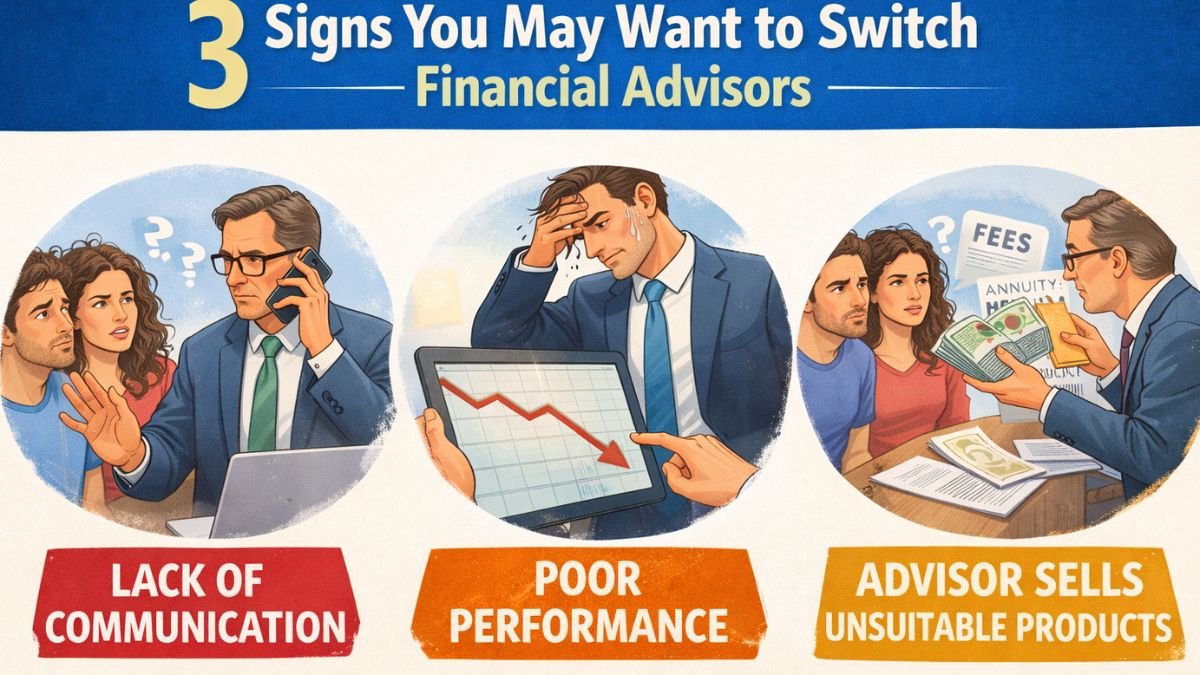
Choosing a financial advisor is one of the most important decisions you can make for your long-term financial well-being. This person plays a central role in how your money is invested, how your goals are prioritized, and how prepared you are for life’s uncertainties. Many people stay with the same advisor for years out of loyalty, habit, or uncertainty about making a change. However, just because a relationship has lasted a long time does not always mean it is still serving your best interests.
Financial needs evolve as life changes. What worked when you were starting your career may no longer work when you are planning for retirement, growing a business, or managing family responsibilities. Recognizing when it may be time to move on can protect your financial future and restore confidence in your planning process. Below are three major signs that suggest it may be time to consider switching financial advisors.
Sign One: Poor Communication and Lack of Transparency
Healthy communication is the foundation of any successful advisor-client relationship. If you find yourself confused about where your money is invested, unsure about fees, or struggling to get clear answers, it may be a warning sign. A good financial advisor should explain complex financial concepts in a way that makes sense to you, without using jargon to intimidate or overwhelm.
When communication breaks down, trust often follows. If your advisor rarely returns calls, delays responses to emails, or only reaches out when they want to sell a new product, the relationship may no longer be balanced. You deserve regular updates and proactive communication, especially during times of market volatility or major economic changes.
Transparency is equally important. You should clearly understand how your advisor is compensated, what fees you are paying, and how those fees impact your returns. If costs are vague, poorly explained, or constantly changing without clear justification, it raises serious concerns. Financial advice should never feel secretive. An advisor who avoids direct conversations about fees or performance may not be prioritizing your interests.
Over time, poor communication can leave you feeling anxious, disconnected, and uncertain about your financial direction. If meetings feel rushed, questions feel unwelcome, or explanations feel incomplete, it may be time to look for an advisor who values openness and clarity as much as you do.

Sign Two: Your Financial Goals Are No Longer the Priority
Your financial advisor should build strategies around your personal goals, not the other way around. These goals may include buying a home, funding education, retiring comfortably, starting a business, or building generational wealth. When an advisor truly understands your priorities, every recommendation should align with what matters most to you.
A red flag appears when advice feels generic or disconnected from your life circumstances. If your advisor uses the same approach for every client or repeatedly pushes products that do not fit your goals or risk tolerance, the relationship may be misaligned. Financial planning is not a one-size-fits-all service, and you should not feel like just another account number.
Life changes quickly, and your advisor should adapt alongside you. Marriage, children, career changes, inheritance, health issues, or economic shifts all require adjustments to your financial plan. If your advisor fails to revisit your goals regularly or dismisses your concerns when priorities change, it may signal a lack of engagement.
Another concern arises when performance matters more to the advisor than your comfort level. Some advisors focus heavily on chasing returns without fully considering your risk tolerance or long-term stability. While growth is important, it should never come at the cost of your peace of mind. If you feel pressured into strategies that make you uncomfortable, your advisor may not be listening closely enough.
A strong advisor-client relationship feels collaborative. You should feel heard, respected, and involved in decisions. If your goals seem secondary or overlooked, switching advisors could help realign your financial plan with your personal vision.
Sign Three: Declining Trust and Confidence in the Relationship
Trust is not optional when it comes to financial advice. You are placing your hard-earned money, future security, and personal dreams into someone else’s hands. Once trust begins to erode, the entire relationship is at risk.
Loss of trust can develop gradually. It may start with small doubts about recommendations, concerns about performance, or confusion over unexplained decisions. Over time, these doubts can grow into persistent discomfort. If you find yourself second-guessing advice, seeking reassurance elsewhere, or feeling uneasy after meetings, your instincts may be telling you something important.
Ethical concerns are especially serious. If your advisor appears more focused on commissions than outcomes, frequently changes strategies without clear reasoning, or avoids accountability during underperformance, these are signs that trust has been compromised. You should feel confident that your advisor is acting in your best interest at all times.
Confidence also matters. A good advisor brings calm and clarity, even during market downturns. If interactions leave you feeling more stressed, confused, or insecure, the relationship may be doing more harm than good. Financial planning should reduce anxiety, not increase it.
It is important to remember that loyalty should never outweigh your financial well-being. Staying in a relationship that no longer feels right can delay progress and expose you to unnecessary risk. Trust your judgment and acknowledge when confidence has faded.
Why People Hesitate to Make the Switch
Even when the signs are clear, many people hesitate to change financial advisors. The process can feel intimidating, time-consuming, or emotionally uncomfortable. Long-term relationships often carry a sense of obligation, especially if the advisor has supported you during earlier stages of life.
Fear of disruption is another common reason. People worry that switching advisors will result in lost progress, tax complications, or confusion. While transitions do require planning, a qualified new advisor can guide you through the process smoothly and help protect your interests.
Some individuals also underestimate their right to demand better service. Financial advice is a professional service, and you are entitled to clarity, respect, and alignment with your goals. If these elements are missing, staying silent only prolongs dissatisfaction.
Understanding that switching advisors is a normal and sometimes necessary step can help remove the emotional weight from the decision. Your financial future deserves careful attention and ongoing evaluation.

What to Look for in a New Financial Advisor
When considering a new advisor, it is important to focus on qualities that support long-term success. Look for someone who listens carefully, explains strategies clearly, and demonstrates genuine interest in your goals. Transparency around fees, investment philosophy, and communication expectations should be established from the start.
Compatibility matters as much as expertise. You should feel comfortable asking questions and confident that your concerns are taken seriously. A good advisor welcomes discussion and values collaboration rather than control.
Experience and credentials are important, but so is integrity. Seek an advisor who prioritizes education, ethical standards, and personalized planning. The right relationship should feel empowering, not overwhelming.
Making the Decision With Confidence
Switching financial advisors is not about placing blame or dwelling on past choices. It is about recognizing growth, change, and the need for better alignment. Financial planning is an ongoing journey, and the support you receive should evolve with you.
If communication is lacking, your goals are no longer prioritized, or trust has diminished, it may be time to explore new options. Taking action can restore clarity, confidence, and momentum in your financial life.
Ultimately, the right financial advisor helps you feel informed, secure, and optimistic about the future. By paying attention to these three signs and trusting your instincts, you place yourself in a stronger position to build the financial life you deserve.
FAQs
Q1. When should I consider switching my financial advisor?
You should consider switching if communication is poor, your goals are ignored, or trust in the advisor has declined.
Q2. Is it difficult to change financial advisors?
No, most transitions are smooth, and a new advisor can help manage the process with minimal disruption.
Q3. Will switching advisors affect my investments?
Usually not; your investments can often be transferred without selling, depending on the account type and strategy.