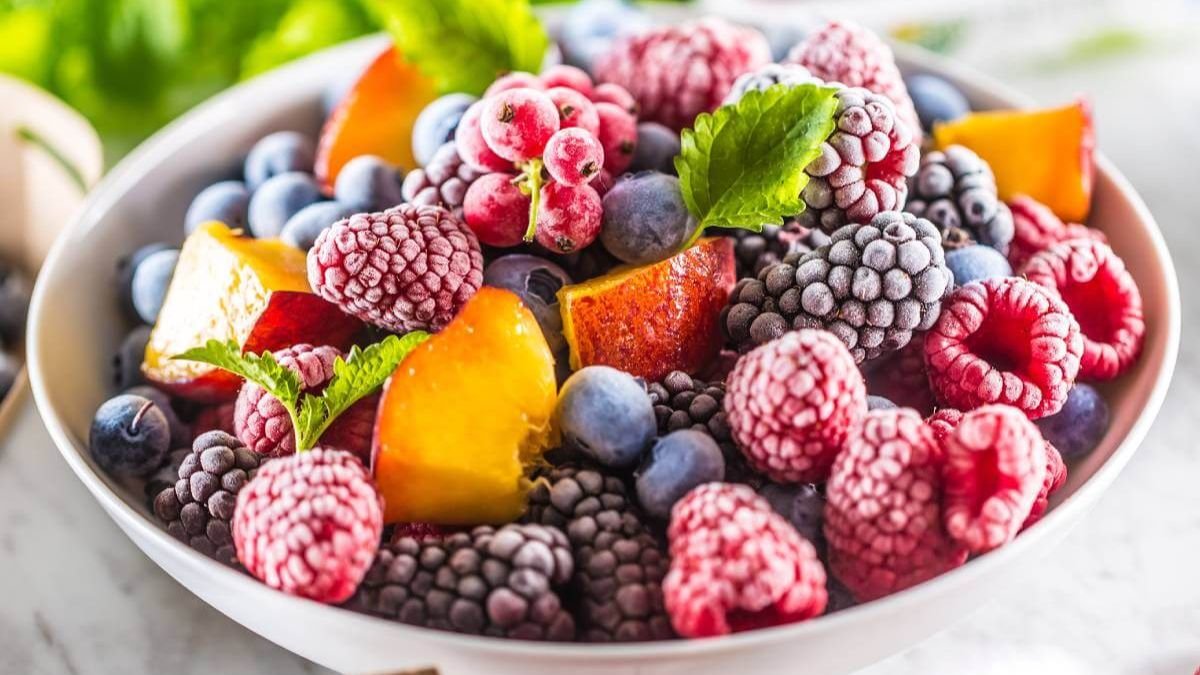
In today’s fast-paced lives, choosing quick and nutritious options in the kitchen is crucial. People often have the misconception that fresh fruits and vegetables are the most nutritious, while frozen fruits and vegetables are inferior in nutritional value. However, the truth is quite different. Thanks to modern technology and proper processing, frozen fruits and vegetables are almost as healthy as fresh ones. Let’s explore five ways that prove frozen options can be beneficial for your health.
Modern Techniques for Preserving Nutrients
Frozen fruits and vegetables are typically cleaned and quickly frozen immediately after harvest. This process is called “flash freezing.” Because they are harvested at the right time of ripening, the vitamins, minerals, and antioxidants present in them are preserved. Often, “fresh” vegetables available in the market undergo transportation and storage for several days, which can gradually reduce their nutrients. In contrast, frozen options maintain their nutritional value for a longer period.
Availability Regardless of Season
Every fruit and vegetable has its own season. But when these same items are available frozen, you can enjoy them year-round. For example, items like peas or strawberries aren’t always available fresh in season, but they’re readily available in frozen packages. This not only adds variety to your diet but also ensures you get essential nutrients even when out of season. This is especially beneficial for those who want to maintain a balanced diet.
Less Waste, More Savings
Fresh vegetables spoil quickly, especially if they’re not used in time. Often, we buy them but end up throwing them away because they’re unused. In contrast, frozen fruits and vegetables have a longer shelf life. You can take out only the required amount and store the rest in the freezer. This reduces food waste and saves money. Furthermore, it’s also a better option for the environment.
Almost Equal Nutrition
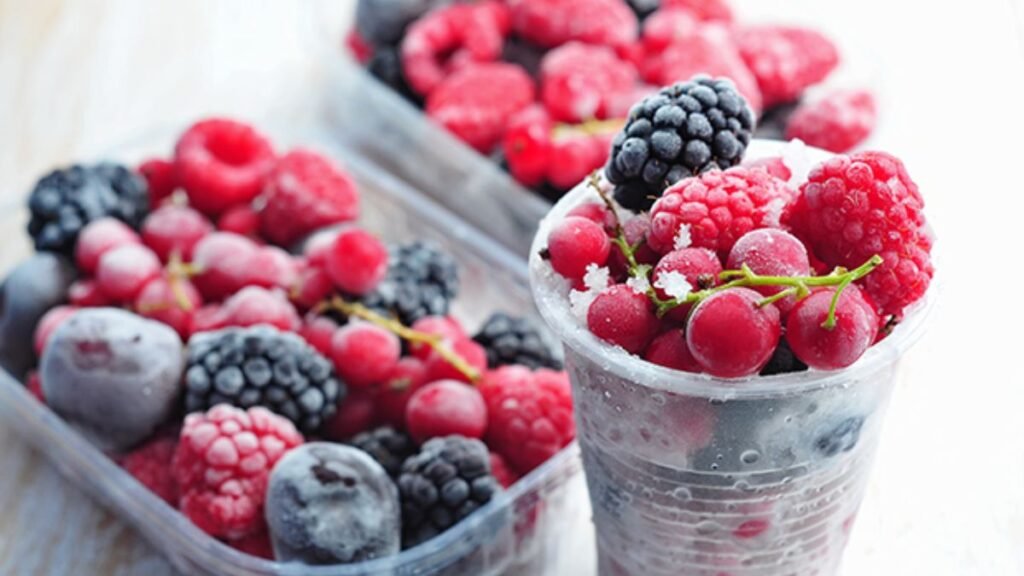
Several studies have shown that there’s not much difference in the nutritional value of frozen and fresh fruits and vegetables. In some cases, frozen options have been found to have better vitamin C and other antioxidants because they are processed more quickly. If fresh vegetables are stored in the open for long periods, some of their vitamins can be destroyed. Therefore, it’s safe to say that frozen options can provide just as many health benefits.
Convenience and Time Saving
Frozen fruits and vegetables come pre-washed, chopped, and ready. This significantly reduces cooking time. This is a great convenience for busy working people or students. All you have to do is open the package and cook or blend straight away. This way, you can prepare nutritious meals without much effort. Convenience makes people more inclined to eat healthy foods, which can lead to better health in the long run.
Conclusion
The notion that only fresh fruits and vegetables are healthy isn’t entirely true. Frozen options can also be excellent in terms of nutrition, convenience, and savings. Choosing the right brand and choosing those without added salt or sugar is crucial to maximize your benefits. Ultimately, whether you choose fresh or frozen, the most important thing is to include adequate amounts of fruits and vegetables on your plate. A balanced diet is the key to good health.
FAQs
Q1. Are frozen fruits and vegetables as nutritious as fresh ones?
A. Yes, they retain most of their nutrients because they are frozen shortly after harvest.
Q2. Do frozen vegetables contain preservatives?
A. Most frozen fruits and vegetables do not contain preservatives, as freezing itself preserves them.
Q3. Is it healthy to eat frozen produce regularly?
A. Yes, including frozen produce in your diet can be a convenient and healthy choice.