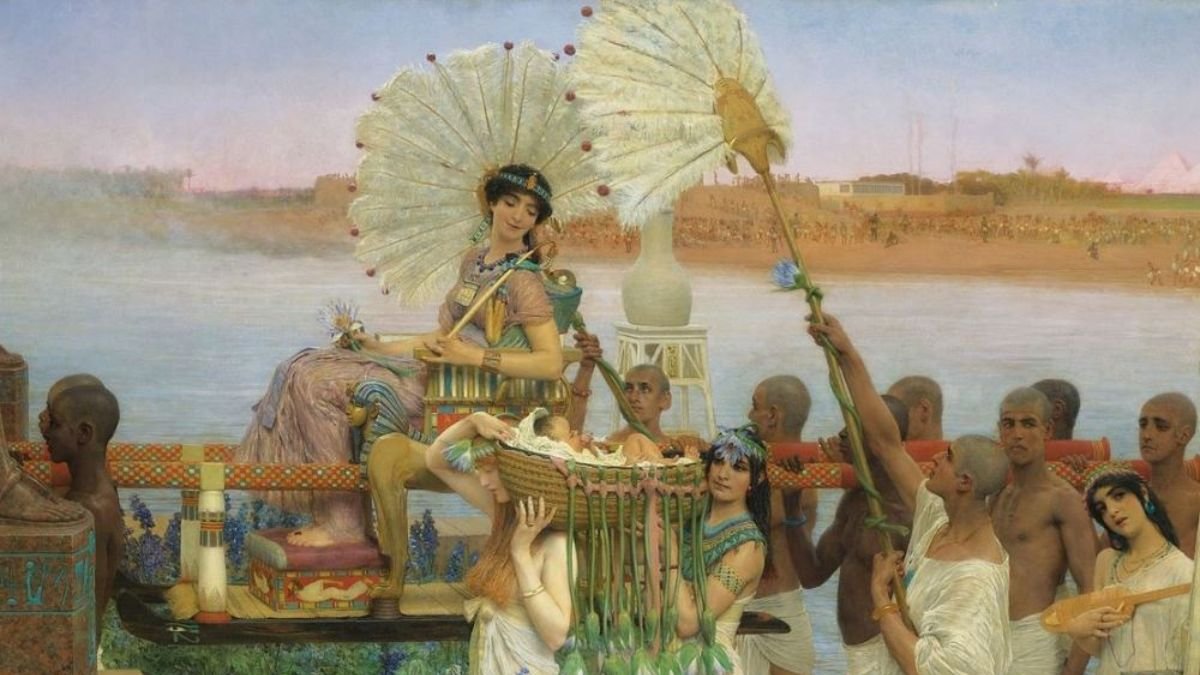
What Is Pharaoh’s Daughter Neighborhood Council? In history and religious texts, there are certain figures whose names may not be widely known, yet a single decision they made changed the course of humanity. One such extraordinary and inspiring woman was the daughter of Pharaoh, often known as Bithiah in Jewish tradition. She is mentioned in the Book of Exodus (2:1–10) in the Bible, where she rescued a newborn baby from the Nile River—a baby who would later become Moses, the one who led the Israelites out of slavery. The story of Pharaoh’s daughter is not merely a historical event, but a testament to compassion, moral courage, and standing up against injustice.
Who was Pharaoh’s daughter?
Pharaoh’s daughter was the child of the ancient Egyptian king who had subjected the Hebrew people to extreme oppression. Pharaoh had ordered that all newborn boys in the Hebrew community be killed to prevent their population and power from growing. This princess grew up in a cruel and inhumane regime, surrounded by luxury, power, and privilege. Yet, she possessed a sensitive and compassionate heart, one that could rise above the blind dictates of power and hear the voice of humanity. Her name is not mentioned in the Bible, but in Jewish traditions and Midrashic texts, she is called Bithiah, meaning “daughter of God.”
The Miracle on the Banks of the Nile
The story unfolds when Moses’ mother, to save her child from certain death, placed him in a basket and set him adrift on the Nile River. It was at this time that Pharaoh’s daughter came to the river to bathe. She saw the basket floating in the water and had it brought to her. As soon as she saw the baby, she understood that it was a Hebrew child, one whom her own father had ordered to be killed. Despite this, she heard the cry of humanity in the innocent child’s tears. This was the moment when a princess chose compassion over power.
A Courageous Rebellion Against Authority
The Pharaoh’s daughter’s decision was not merely an act of compassion; it was a direct rebellion against royal decree and patriarchal authority. At that time, defying the Pharaoh’s command was tantamount to inviting death. Yet, she deliberately saved a child who was legally mandated to be killed. This demonstrates that moral responsibility sometimes transcends loyalty to authority. Her action illustrates that when a law is unjust, resisting it becomes a true act of righteousness.
Moses’ Adoptive Mother and His Future
The Pharaoh’s daughter adopted the child, named him Moses, and raised him in the Egyptian palace. He received the education, protection, and environment that enabled him to become the great leader he later became. Had Moses grown up as an ordinary slave, he might not have been able to liberate the Israelites from Egyptian bondage. Thus, the Pharaoh’s daughter’s decision was not limited to saving a single life; it changed the course of history.
The Significance of “Bithiah” in Jewish Tradition
In Jewish religious texts, particularly the Midrash, the Pharaoh’s daughter is given a special spiritual status. It is said that she abandoned idolatry and embraced the true God. For this reason, she was called Bithiah, meaning “Daughter of God.” According to a famous Midrashic tale, God said to her, “Moses was not your son, yet you called him your son; you were not My daughter, yet I call you My daughter.” This statement reflects her spiritual greatness and her love for God.
Compassion Above Privilege
The greatest characteristic of the Pharaoh’s daughter was that she did not allow her privileges to override her humanity. She could have easily left the child to die and returned to her comfortable royal life. But she chose compassion over power, comfort, and fear. In today’s world, where people often overlook injustice for their own convenience, Pharaoh’s daughter reminds us that true greatness lies in understanding the suffering of others.
An Unexpected Ally
This story becomes even more powerful because Pharaoh’s daughter herself was the child of the oppressor. The daughter of the man who was persecuting the Israelites became the protector of the Israelites’ greatest deliverer. This demonstrates that the battle between good and evil is not always determined by blood or lineage, but by individual choices. Sometimes, the most unexpected person becomes the instrument of change.
An Example of Courage and Female Empowerment
In many traditions, Pharaoh’s daughter is considered a “heroic woman” or a “symbol of female strength.” She not only saved a child but also challenged the norms of a society where women were expected to be merely obedient. Her courage proves that a woman’s moral decision can change the course of an entire civilization.
The Message of Her Story Today
In today’s world, where injustice is often justified in the name of power, politics, and order, the story of Pharaoh’s daughter becomes more relevant than ever. It teaches us that silence in the face of injustice is a form of complicity. Her life inspires us to speak up for the weak and helpless, regardless of our own position or security.
Conclusion
The story of Pharaoh’s daughter is not merely a prelude to Moses’ life; it is a story of the triumph of humanity. She showed that compassion, courage, and And morality is greater than any power. Her single decision not only saved a child’s life but also laid the foundation of freedom and faith for future generations. Therefore, the Pharaoh’s daughter should be considered not merely a character from history, but a living inspiration for today and for all time to come.