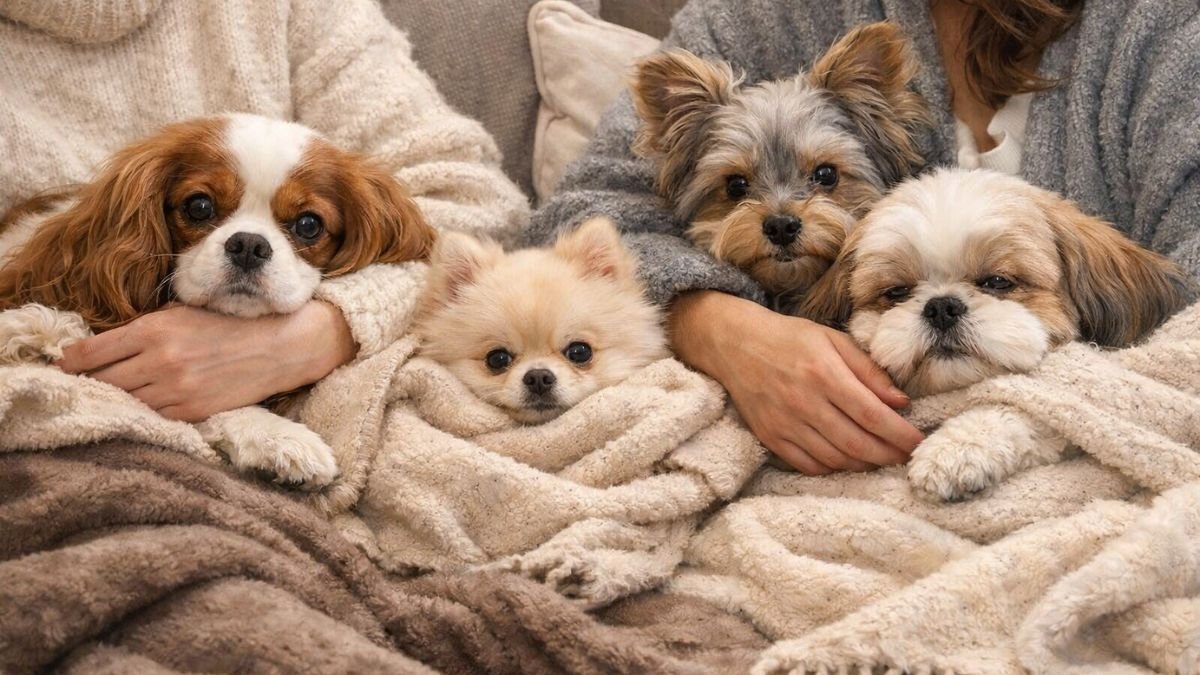
Few things in the world of pets can evoke as much warmth and comfort as a small, affectionate lap dog. There is something universally soothing about a tiny canine curling up in your lap, resting its head on your arm, and gazing up at you with trust-filled eyes. These adorable lap dogs have a natural inclination to snuggle, to offer companionship that is both emotional and physical. Their size, temperament, and affectionate nature make them perfect for individuals and families who crave constant connection and love. Over the years, lap dogs have carved a special place in homes, hearts, and even history, often being treasured not just as pets but as companions who provide emotional support and comfort.
Origins of Lap Dogs: History and Heritage
Lap dogs are not just modern pets; they have a rich and fascinating history that dates back centuries. Many of the most popular lap dog breeds were originally companions for royalty and nobility. These dogs were bred for their affectionate nature, manageable size, and gentle temperament. In palaces across Europe and Asia, small dogs were kept primarily as companions, often allowed to sit on the laps of kings, queens, and noblewomen. Breeds like the Cavalier King Charles Spaniel, Pekingese, and Bichon Frise were considered symbols of luxury and refinement. Their primary role was not as working animals or hunters, but as loyal companions that provided comfort and emotional support. The bond between humans and these dogs was nurtured over centuries, creating breeds with inherently affectionate and gentle temperaments.
What Makes Lap Dogs Naturally Snuggly
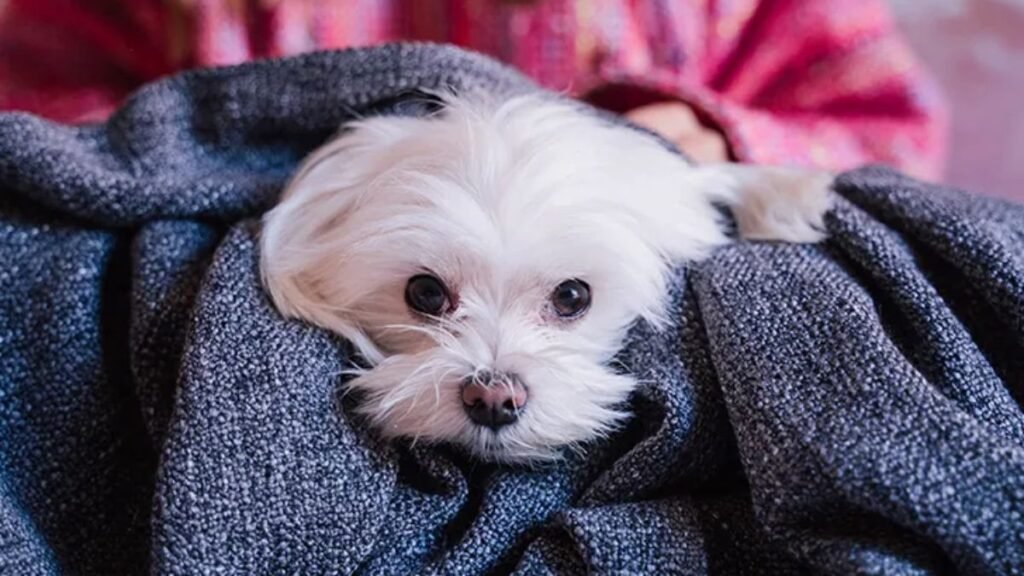
The charm of lap dogs lies not only in their small size but in their temperament and behavior. These dogs are genetically predisposed to form strong emotional bonds with their owners. Their compact size allows them to easily sit on laps, cuddle in bed, or nestle on a sofa without demanding too much space. Beyond their physical suitability, lap dogs often exhibit an intense need for closeness and attention. They thrive on human interaction, enjoying touch, warmth, and gentle petting. This makes them particularly ideal for individuals seeking companionship, especially those living alone or looking for a dog that is easy to integrate into indoor living spaces. Their snuggly nature is a combination of instinct, selective breeding, and the natural human-canine bond that has been reinforced over generations.
Popular Lap Dog Breeds and Their Unique Traits
Several lap dog breeds have captured the hearts of pet owners around the world. Each breed brings a unique combination of appearance, personality, and snuggling instincts. For instance, the Cavalier King Charles Spaniel is known for its affectionate personality, gentle eyes, and silky coat, making it one of the most sought-after snuggle companions. The Pomeranian, though small and energetic, often enjoys curling up in laps after bursts of playful activity. The Bichon Frise offers a cheerful and loving presence, with a coat that invites constant petting. Other notable breeds include the Shih Tzu, Yorkshire Terrier, and Maltese, all of which are naturally inclined to seek closeness with their human companions. While each breed has its quirks, the common thread is their eagerness to provide affection and warmth.
Emotional Benefits of Owning a Lap Dog
Lap dogs offer more than just physical companionship—they have profound emotional benefits for their owners. Studies have shown that interacting with pets can reduce stress, lower blood pressure, and boost serotonin and dopamine levels, which are chemicals associated with happiness and well-being. Having a small, affectionate dog on your lap can provide immediate comfort after a long day, offering a sense of calm and emotional security. Lap dogs are also excellent emotional support animals for individuals dealing with anxiety, depression, or loneliness. Their constant presence and affectionate behavior create a soothing environment, reminding their owners that they are never truly alone. This emotional bond often goes beyond simple pet ownership, evolving into a deep, mutually nurturing relationship.
Training and Nurturing a Lap Dog
While lap dogs are naturally affectionate, their behavior and temperament can be enhanced through careful training and socialization. Positive reinforcement is key, rewarding the dog for calm and affectionate behavior while gently discouraging overly demanding actions. Early socialization with other pets and humans helps ensure that the dog remains friendly and adaptable. Despite their small size, lap dogs benefit from regular exercise, mental stimulation, and consistent routines. Grooming is another important aspect, as many lap dog breeds have long, delicate coats that require regular brushing and maintenance. By combining care, training, and affection, owners can cultivate a well-behaved, happy, and even more snuggly companion.
Living With a Lap Dog: Daily Life and Routines
Life with a lap dog is often filled with small, joyful moments. Mornings might begin with a tiny body curled against your chest, purring or softly whining for attention. Throughout the day, lap dogs are happiest when they can remain close to their humans, whether that means resting beside them during work-from-home sessions, joining them on couch time, or even sitting quietly during meals. These dogs adapt well to indoor living, making them ideal for apartments or homes without large yards. While they may not need as much space or vigorous exercise as larger breeds, they thrive on affection, interaction, and mental engagement. For many owners, the presence of a lap dog transforms daily life, providing both comfort and companionship at every turn.

Challenges of Owning a Lap Dog
Despite their adorable and affectionate nature, lap dogs come with certain challenges that potential owners should consider. Their small size makes them fragile, and they may be more prone to injuries if handled roughly or accidentally stepped on. Many lap dog breeds are also susceptible to specific health issues, such as dental problems, respiratory conditions, or joint issues. Grooming can be time-intensive, particularly for long-haired breeds that require frequent brushing and occasional professional care. Furthermore, lap dogs may develop separation anxiety if left alone for extended periods, highlighting the importance of consistent companionship. Understanding these challenges allows owners to provide the best possible care while enjoying the benefits of these loving companions.
Lap Dogs and Human Connection
Perhaps the most remarkable aspect of lap dogs is their ability to deepen human connection. These dogs intuitively sense moods and emotions, responding with comfort, gentle nudges, or quiet presence when their owners are distressed. Their loyalty and affection create a feedback loop of love and care, where both human and pet benefit emotionally. For seniors, children, or anyone in need of companionship, lap dogs offer a dependable source of warmth and joy. Unlike larger breeds that may require outdoor activity or vigorous play, lap dogs often meet their owners’ emotional needs with simple closeness, proving that affection and comfort are as important as physical activity in fostering a strong human-animal bond.
Conclusion: The Joy of a Snuggly Companion
Adorable lap dogs are more than pets—they are companions designed by nature and refined by centuries of breeding to provide affection, comfort, and emotional support. Their small size, gentle temperament, and innate desire to snuggle make them perfect partners for anyone seeking warmth and companionship. Living with a lap dog means experiencing the joys of closeness, understanding, and mutual care on a daily basis. These dogs remind us of the power of touch, presence, and unwavering affection in a fast-paced, often disconnected world. For those willing to embrace the joys and responsibilities of pet ownership, lap dogs offer a rare and enduring gift: the ability to turn every lap into a sanctuary of comfort, love, and companionship.
FAQs
Q1: Why are lap dogs so affectionate?
A: They are genetically predisposed to bond closely with humans and love physical closeness.
Q2: Which breeds are considered the most snuggly lap dogs?
A: Breeds like Cavalier King Charles Spaniel, Pomeranian, Bichon Frise, Shih Tzu, and Maltese.
Q3: Are lap dogs suitable for apartment living?
A: Yes, their small size and calm nature make them ideal for indoor and apartment living.