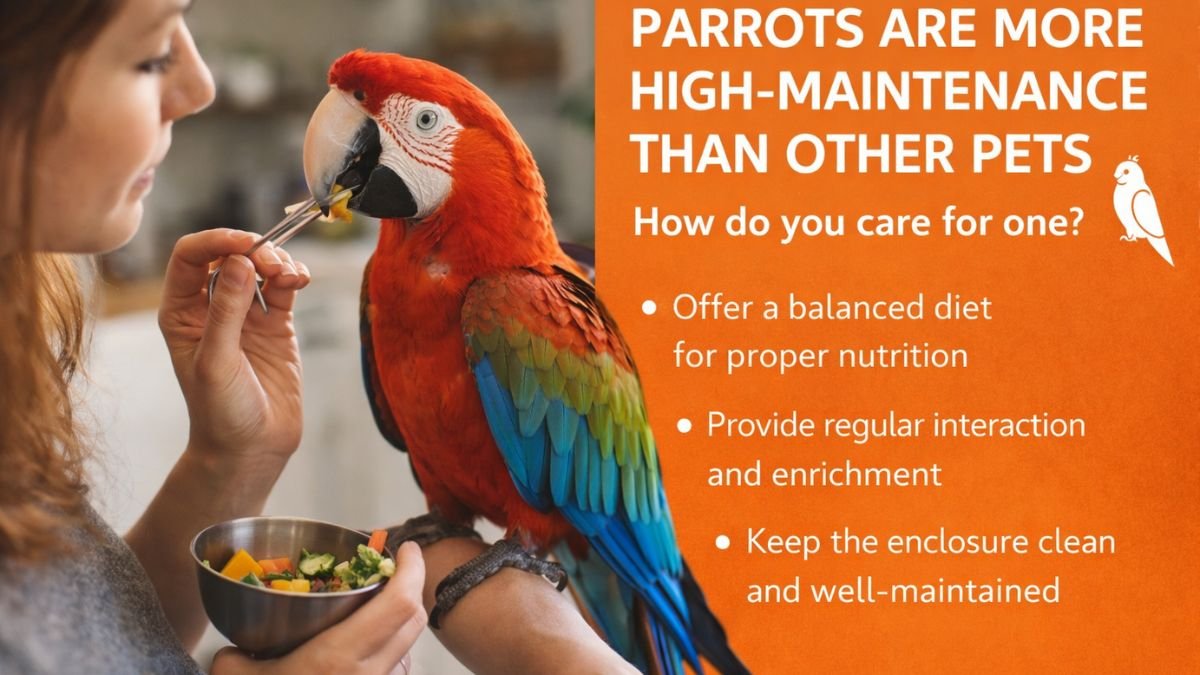
Parrots are often admired for their vibrant colors, intelligence, and ability to mimic human speech. At first glance, they may seem like entertaining and beautiful companions that simply perch in a cage and chirp throughout the day. However, the reality of living with a parrot is far more complex. Unlike cats or dogs, parrots are highly intelligent, emotionally sensitive, and socially demanding animals. They are not domesticated in the same way as many traditional pets, which means their care requires a deeper level of commitment, patience, and understanding. For anyone considering bringing a parrot into their home, it is essential to recognize that these birds are truly high-maintenance companions who depend heavily on their caregivers for physical, mental, and emotional well-being.
Understanding a Parrot’s Intelligence and Emotions
One of the main reasons parrots are more high-maintenance than other pets is their remarkable intelligence. Many parrot species have cognitive abilities comparable to young children. They can solve problems, recognize patterns, remember routines, and even understand basic concepts. This intelligence also means they experience boredom, frustration, and emotional distress if their needs are not met. Parrots form strong emotional bonds with their owners and can become anxious or depressed when left alone for long periods. Unlike pets that are content with occasional interaction, parrots require daily engagement, communication, and reassurance. Understanding their emotional depth is the foundation of proper parrot care.
Creating the Right Living Environment
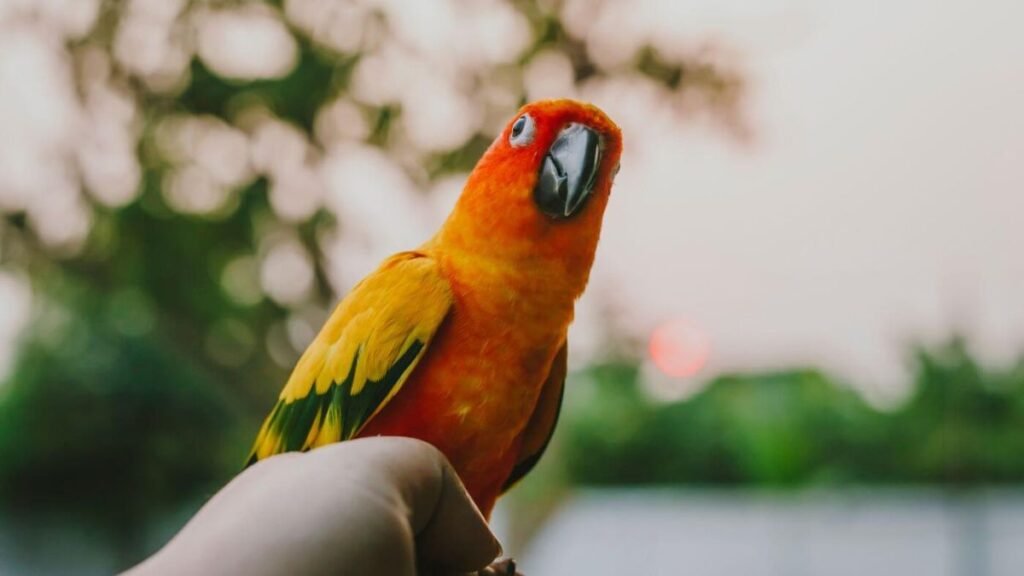
A parrot’s living space plays a crucial role in its overall health and happiness. While cages are necessary, they should never be viewed as permanent confinement. A parrot’s cage must be spacious enough for the bird to fully stretch its wings, climb, and move comfortably. The cage should be placed in an area where the bird can observe daily household activity, as parrots thrive on social interaction. At the same time, it should be away from drafts, direct sunlight, and kitchen fumes, which can be dangerous to birds. A clean, safe, and stimulating environment helps reduce stress and encourages natural behaviors.
The Importance of Mental Stimulation
Mental stimulation is one of the most overlooked aspects of parrot care. Due to their intelligence, parrots need constant opportunities to engage their minds. Without stimulation, they may develop destructive habits such as feather plucking, screaming, or aggression. Toys, puzzles, and activities that encourage problem-solving are essential. Rotating toys regularly prevents boredom and keeps the bird curious. Interaction with humans is equally important, as parrots enjoy learning words, sounds, and routines. Talking to your parrot, teaching simple tricks, and allowing supervised exploration outside the cage all contribute to a mentally healthy bird.
Proper Nutrition and Diet
Caring for a parrot requires careful attention to diet. Many people mistakenly believe that seeds alone are sufficient, but a seed-only diet can lead to serious health problems. Parrots need a balanced diet that includes pellets formulated for their species, fresh fruits, vegetables, and occasional nuts. Leafy greens, carrots, bell peppers, and apples are commonly enjoyed by parrots, while foods like avocado, chocolate, caffeine, and alcohol must be strictly avoided due to toxicity. Clean, fresh water should always be available. Proper nutrition not only supports physical health but also affects a parrot’s energy levels, mood, and lifespan.
Social Interaction and Bonding
Parrots are social animals by nature, often living in flocks in the wild. When kept as pets, humans become their primary social companions. This means parrots need daily interaction to feel secure and loved. Ignoring a parrot or treating it as a decorative pet can lead to behavioral problems and emotional distress. Spending quality time together, whether through gentle talking, training, or simply being in the same room, helps strengthen the bond. Some parrots may prefer one person over others, forming strong attachments that require thoughtful management to avoid jealousy or possessive behavior.
Training and Behavioral Guidance
Training a parrot is not about control but communication. Positive reinforcement techniques help parrots understand acceptable behaviors while building trust. Teaching basic commands such as stepping onto a hand, returning to the cage, or responding to cues makes daily care easier and safer. Parrots can also learn to express themselves through sounds or gestures instead of screaming. Consistency is key, as parrots thrive on routine and predictability. Gentle guidance, patience, and respect for the bird’s boundaries are essential in shaping positive behavior.
Grooming and Physical Care
Physical care is another area where parrots require extra attention. Regular grooming helps maintain health and comfort. This includes trimming nails, maintaining beak condition, and ensuring feathers remain clean and intact. Many parrots enjoy bathing, either through misting or shallow water bowls. Clean feathers are important for temperature regulation and flight. Veterinary care is also critical, as birds often hide signs of illness until conditions become severe. Regular check-ups with an avian veterinarian can detect issues early and ensure long-term health.
Managing Noise and Daily Routines
Parrots are naturally vocal animals, and noise is an unavoidable part of parrot ownership. While their talking and singing can be charming, excessive screaming can become challenging if not managed properly. Understanding the reasons behind vocalization is essential. Parrots may scream due to boredom, loneliness, fear, or a desire for attention. Establishing consistent daily routines, providing stimulation, and responding calmly to unwanted noise can help reduce excessive vocal behavior. Owners must be prepared for the reality that parrots communicate loudly and frequently, especially during early mornings and evenings.
Time Commitment and Long-Term Responsibility
One of the most important aspects of parrot care is understanding the long-term commitment involved. Many parrots live for decades, with some species outliving their owners. This makes parrot ownership a lifelong responsibility rather than a temporary decision. Daily care, social interaction, cleaning, and enrichment require consistent effort. Parrots cannot be left unattended for long periods like some other pets. Potential owners must consider lifestyle changes, work schedules, and future plans before committing to a parrot.
Common Challenges and How to Handle Them
Caring for a parrot can be emotionally rewarding but also challenging. Behavioral issues, hormonal changes, and mood swings are common, especially during certain times of the year. Patience and understanding are crucial during these periods. Seeking guidance from experienced bird owners or avian professionals can help address concerns before they escalate. Recognizing that parrots express stress and discomfort differently than mammals allows owners to respond more effectively. A calm, informed approach creates a safer and happier environment for both the bird and the caregiver.
The Reward of Responsible Parrot Care
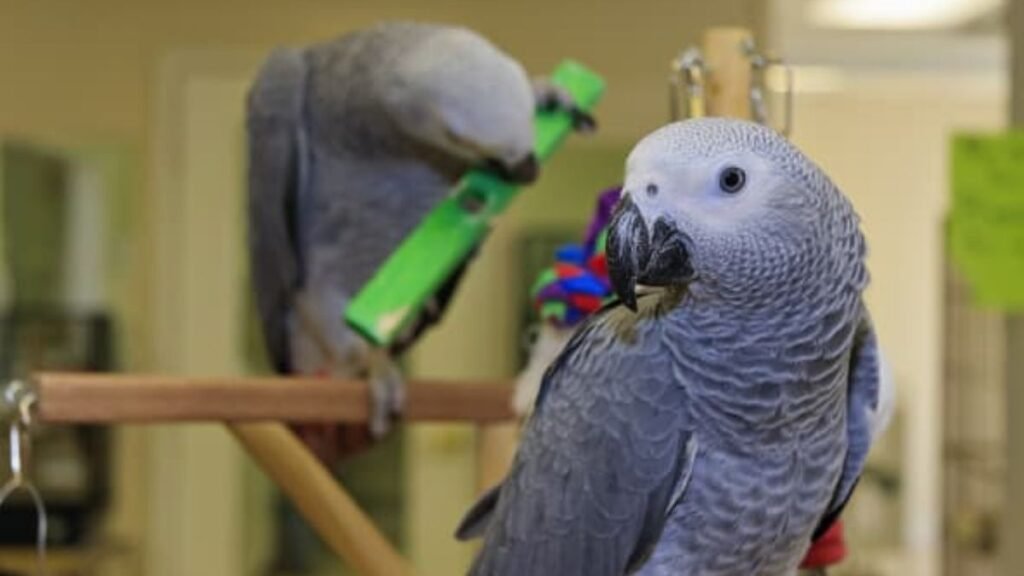
Despite their high-maintenance nature, parrots offer unique and deeply fulfilling companionship. Their ability to form emotional connections, communicate, and display affection makes them unlike any other pet. When cared for properly, parrots become loyal companions who enrich daily life with personality, intelligence, and charm. The effort invested in their care is often returned in the form of trust, companionship, and unforgettable moments.
Conclusion: Is a Parrot the Right Pet for You?
Parrots are not easy pets, and that is precisely what makes them special. Their high-maintenance nature reflects their intelligence, emotional depth, and social needs. Caring for a parrot requires time, patience, education, and genuine commitment. For those willing to meet these demands, parrots can become extraordinary companions who share life in a meaningful and interactive way. Understanding their needs, respecting their individuality, and providing consistent care ensures that these remarkable birds thrive in captivity. Choosing to care for a parrot is not just adopting a pet—it is welcoming a lifelong companion into your world.
FAQs
Q1: Why are parrots considered high-maintenance pets?
A: They need daily social interaction, mental stimulation, and specialized care.
Q2: How much time should you spend with a parrot each day?
A: Several hours of interaction and supervised out-of-cage time are ideal.
Q3: What is the most important part of parrot care?
A: Providing mental stimulation, proper diet, and consistent emotional attention.