
Most gardeners love discovering simple, natural ways to nourish their plants without relying heavily on chemical fertilizers. Orange peels, often tossed in the trash without a second thought, have surprisingly become one of the easiest, most effective garden boosters you can use right at home. Their unique combination of nutrients, organic oils, and refreshing aroma makes them a gentle yet powerful addition to any gardening routine. Whether you grow vegetables, flowers, or small indoor plants, orange peels can help enrich soil, keep harmful pests away, and support stronger plant health.
Nutrient Power: The Soil-Boosting Benefits of Orange Peels
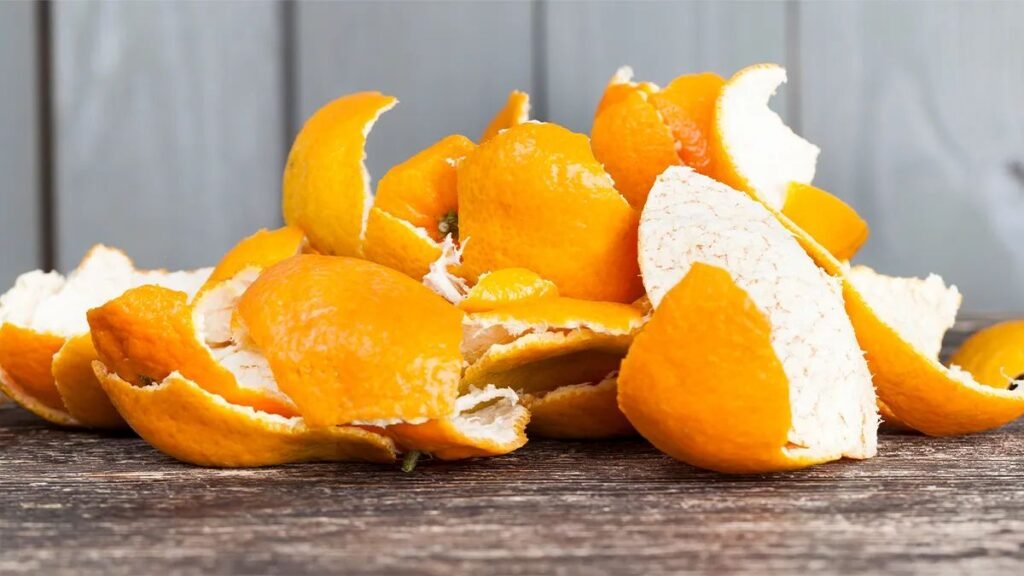
Orange peels are rich in essential plant nutrients, such as nitrogen, potassium, and phosphorus, which are the core of healthy soil. As they decompose, they release these nutrients slowly into the ground, improving soil structure and fertility. This slow release ensures plants get a steady supply of nourishment over time. In home gardens where soil can easily become depleted after repeated planting, adding orange peels works as a natural refresh. You can simply chop them into small pieces and mix them into the soil, where they will break down and enhance microbial activity.
Beyond the basic nutrients, the peels contain natural compounds that support healthier roots and prevent certain soil-borne issues. When added regularly, they contribute to a richer, darker, and more breathable soil texture, making it easier for roots to spread and absorb water efficiently. This simple step can make a noticeable difference in how vibrant and resilient your plants become.
A Gentle Pest Deterrent with a Citrus Shield

One of the most celebrated benefits of orange peels in gardening is their natural ability to deter pests. Many insects, including ants, aphids, and mosquitoes, dislike the scent of citrus. The essential oils present in orange peels act as a soft barrier, discouraging insects from gathering around your plants without harming beneficial organisms like bees and butterflies.
If your garden suffers from frequent pest attacks, scattering small strips of fresh orange peel around the base of plants can offer quick relief. As the peels dry out, they continue to release their aromatic oils, forming a natural protective shield. Some gardeners even rub the inside of orange peels on pots and plant stems to help discourage crawling pests. It’s a safe, chemical-free method and particularly helpful for households with children or pets.
Composting Orange Peels for Long-Term Plant Health
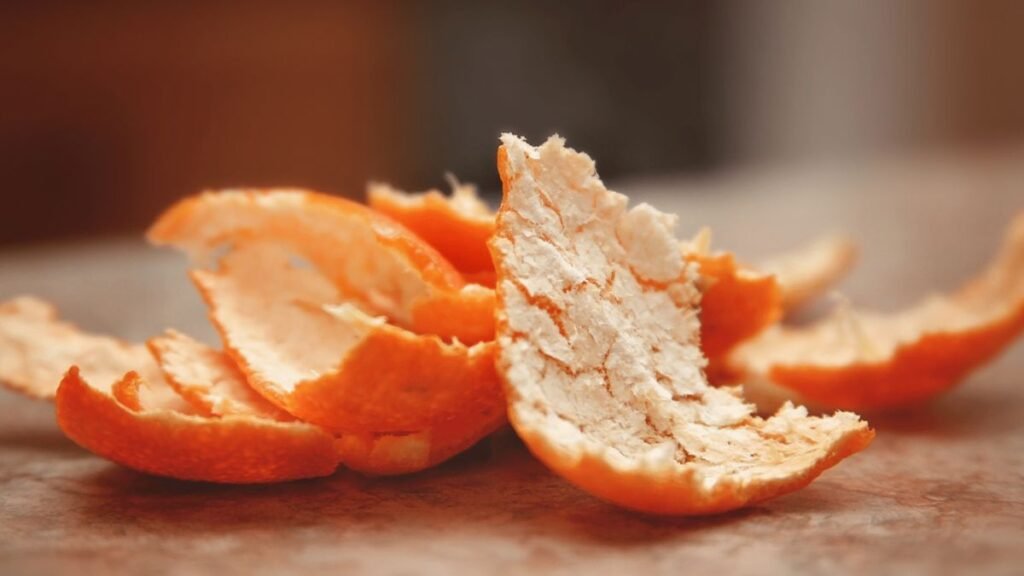
If you maintain a compost pile or bin, adding orange peels can significantly improve the overall nutrient content of your compost. While citrus was once thought to disrupt composting, we now know that when used in moderation and chopped into smaller pieces, orange peels break down beautifully and enrich the mix. The peels contribute valuable carbon and improve the balance between green and brown materials, helping the composting process move smoothly.
As the compost matures, the nutrients from the orange peels become fully integrated, creating a rich, dark, crumbly fertilizer that plants absolutely love. Using this compost in your garden adds long-term health benefits, helping plants grow stronger, produce more blooms, and resist disease more naturally.
Using Orange Peels as Mulch and Moisture Retainers

Orange peels can even serve as a type of lightweight mulch. When placed around the base of plants, their fibrous texture helps the soil retain moisture while adding a small protective barrier. This is especially useful in hot climates where soil dries out quickly.
Over time, the peels break down and become part of the soil, enriching it even more. Many gardeners find that using peels in this way helps reduce the frequency of watering and keeps the topsoil from becoming too compacted or dusty.
A Fragrant, Eco-Friendly Way to Enhance Your Garden

Using orange peels in your garden is not just practical; it is environmentally friendly. Instead of contributing to household waste, you’re turning kitchen scraps into a resource that supports plant growth and health. The subtle citrus scent adds a fresh note to your outdoor space, making your garden both functional and pleasant.
What makes orange peels so appealing is that they require no special preparation. Anyone, even beginner gardeners, can start using them immediately. Whether you prefer mixing them into soil, adding them to compost, or using them as a natural pest repellent, the benefits unfold quickly and naturally.
Conclusion
Orange peels are one of the easiest and most underrated gardening tools available right in your kitchen. Their nutrient-rich properties, natural pest-deterring abilities, and biodegradable nature make them a simple yet powerful way to enhance plant health. By adding orange peels to your soil, compost, or mulch, you’re choosing a sustainable method that not only improves your garden’s productivity but also reduces waste. With just a few peels and a little consistency, your plants can grow stronger, greener, and healthier than ever before.
FAQs
Q1. Can orange peels really improve plant health?
Yes, orange peels add nutrients like nitrogen and calcium that support healthy plant growth.
Q2. Do orange peels repel pests?
Yes, their strong citrus scent helps deter ants, aphids, and mosquitoes.
Q3. Can I put orange peels directly in the soil?
Yes, but chop them into small pieces so they decompose faster.