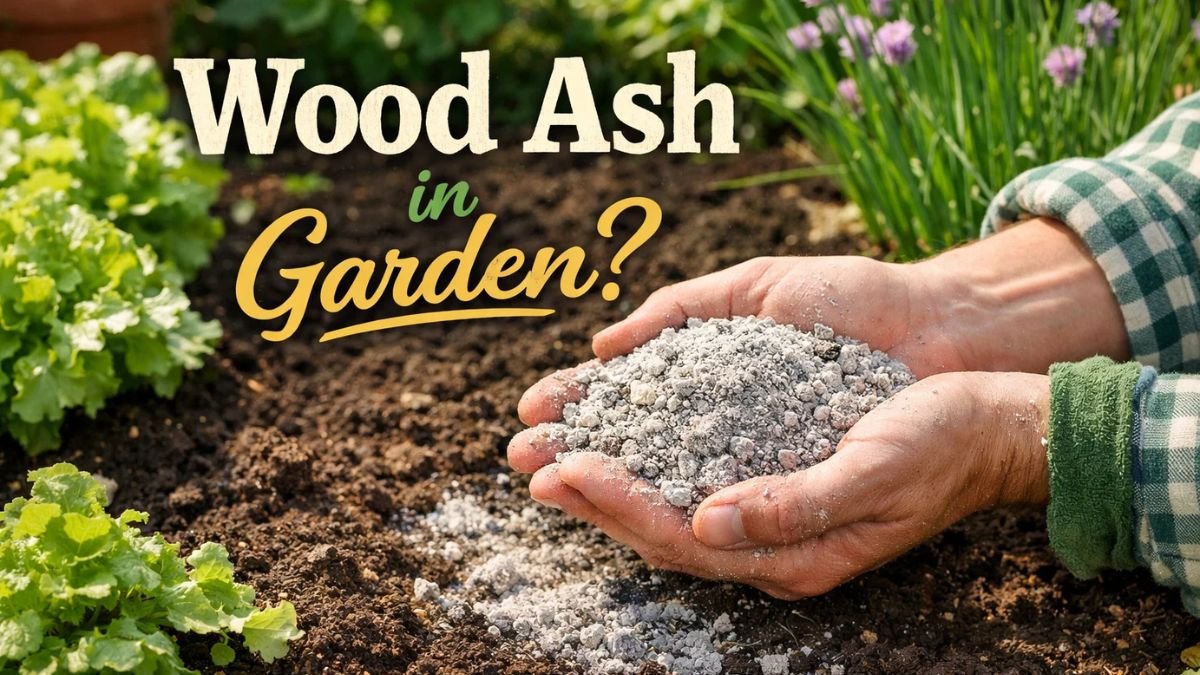
Gardening has always been a delicate balance of nurturing the soil, understanding what plants need, and providing the right environment for everything to thrive. Among the many traditional practices that have resurfaced in recent years is the use of wood ash in home gardens. For generations, people have used ash left behind from burning untreated wood as a natural soil amendment, appreciating its ability to enrich the ground with valuable minerals. But as more gardeners explore natural and organic methods, a common question arises: Is using wood ash in your garden a good idea, and if so, how should you approach it?
This question becomes even more important considering the variety of soils, plants, climates, and gardening styles in today’s world. What works well for one gardener might not produce the same results for someone else. Wood ash is one of those amendments that can be incredibly useful when applied correctly, yet it can also lead to problems if used without proper understanding. That’s why it is essential to dive deeper into what wood ash actually does, how it interacts with soil, and how gardeners can safely take advantage of its benefits.
Understanding the Nutritional Properties of Wood Ash
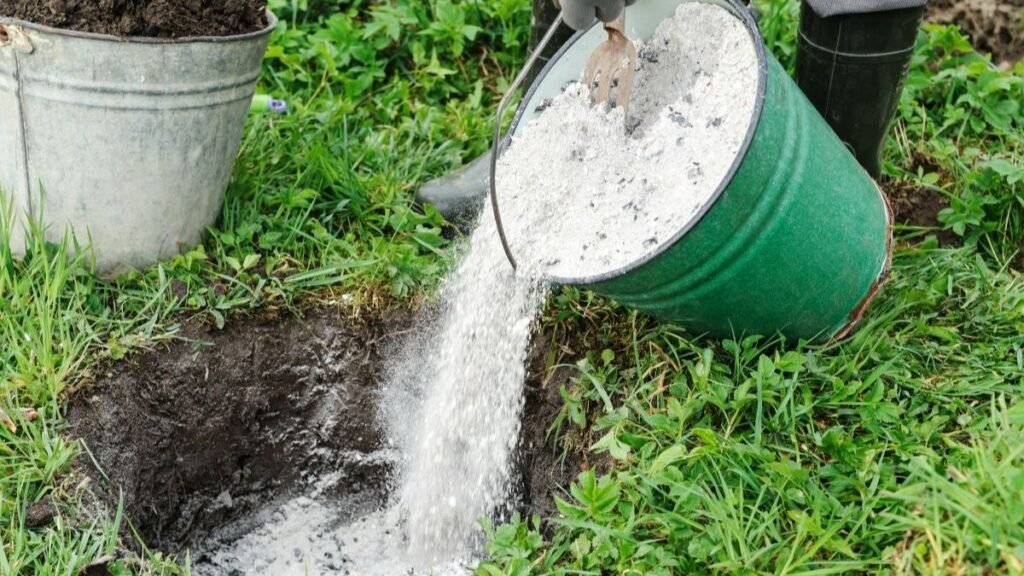
Wood ash is essentially the mineral-rich residue left behind after burning pure, untreated wood. When wood burns, the organic matter is consumed, leaving behind trace elements and minerals that can be beneficial to the soil. One of the most significant nutrients found in wood ash is potassium, also known as potash. Potassium plays an important role in plant development by strengthening stems, improving water retention, and enhancing flowering and fruiting. For gardens that struggle with low potassium levels, this simple by-product of fireplaces and wood stoves can serve as an effective natural booster.
Beyond potassium, wood ash contains small amounts of calcium, magnesium, and phosphorus. Calcium is especially useful because it can help raise the pH of acidic soil by reducing its acidity. This is similar to how agricultural lime functions, though wood ash tends to act more quickly. Because of this, many gardeners working with acidic soil see noticeable improvements in plant health after applying a controlled amount of ash. However, understanding that wood ash is alkaline is crucial because adding too much can push soil pH into a range that becomes harmful for many plants.
How Wood Ash Affects Soil pH and Plant Health
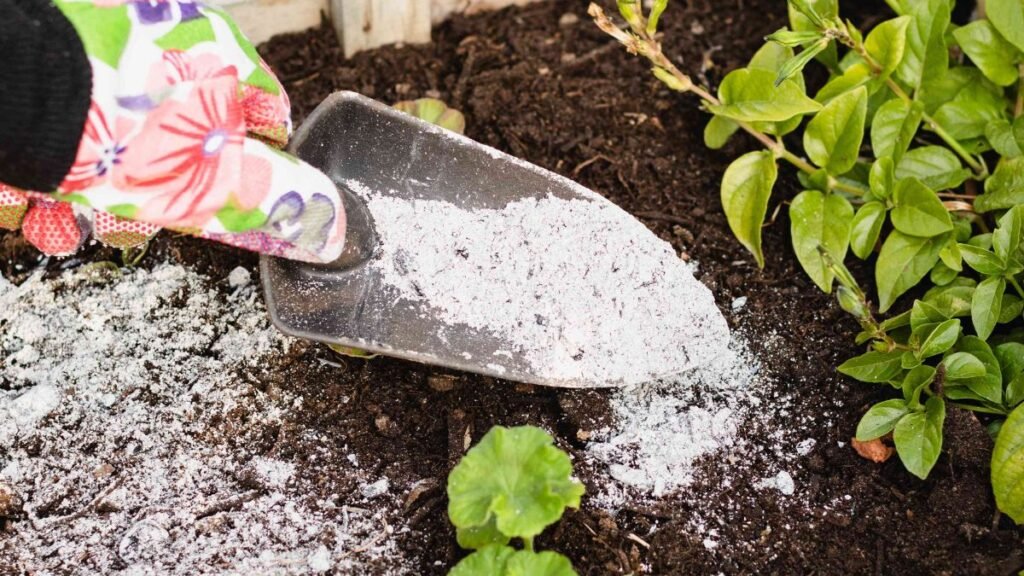
One of the main reasons gardeners use wood ash is to adjust soil pH. Some soils are naturally acidic due to climate, rainfall, and organic matter breakdown. Acidic soil is ideal for certain plants, like blueberries and azaleas, but it is not suitable for many vegetables, herbs, and ornamental flowers. In such cases, wood ash can help correct the imbalance by increasing alkalinity and bringing the soil closer to a neutral pH.
However, this effect means that wood ash must be applied cautiously. Because it works quickly, there is always a risk of over-application. When soil becomes too alkaline, plants may struggle to absorb essential nutrients like iron and phosphorus, even if the nutrients are present in the soil. This condition, often called nutrient lockout, can lead to symptoms such as yellowing leaves, stunted growth, and reduced yields. A small amount of wood ash can move soil pH in the right direction, but an excessive amount can make the soil less hospitable.
This is why testing your soil’s pH before using wood ash is always a wise step. If your soil is already neutral or slightly alkaline, adding ash may do more harm than good. But if your soil sits on the acidic side, wood ash can become a powerful natural amendment when applied mindfully.
Knowing When Wood Ash Is Safe to Use
The decision to use wood ash in your garden depends on several factors, including soil condition, plant preference, and the quality of the ash itself. Ash from pure, untreated, and unpainted wood is generally safe and beneficial. This means ash from hardwoods and softwoods used in fireplaces or wood stoves is typically appropriate. However, ash from treated, varnished, painted, or chemically processed wood should never be used because it may contain harmful toxins or heavy metals.
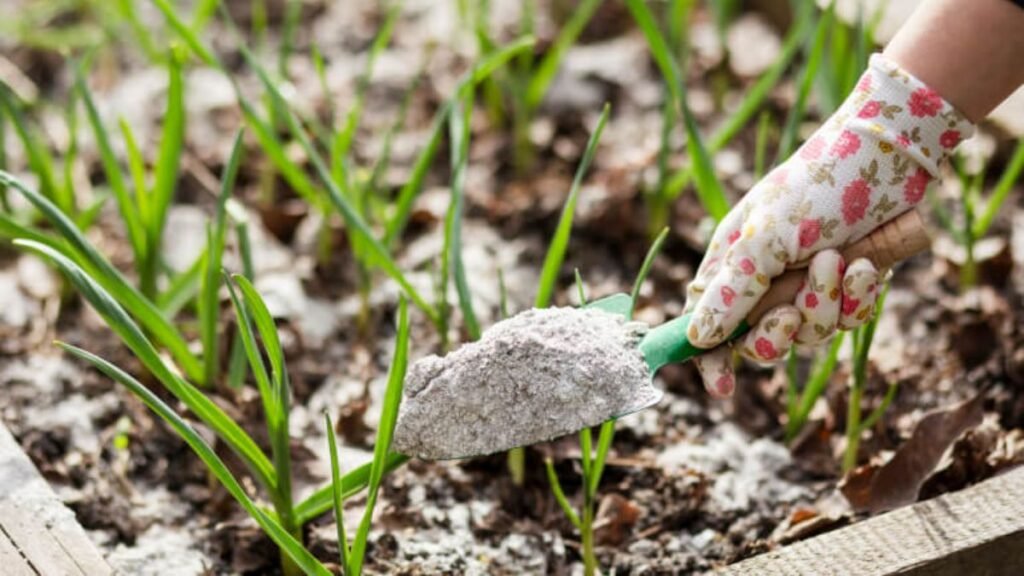
Gardeners also need to understand that not all plants respond well to alkalinity. Some species thrive in acidic environments, and applying wood ash around them can disrupt their natural growth conditions. Plants such as rhododendrons, hydrangeas, potatoes, blueberries, and strawberries prefer more acidic soil. Applying wood ash around these plants can increase the risk of diseases or inhibit their ability to absorb nutrients effectively. On the other hand, plants like cabbage, cauliflower, lettuce, beans, garlic, and asparagus tend to tolerate slightly alkaline soil and may benefit from the additional potassium and calcium that wood ash provides.
Best Practices for Applying Wood Ash in the Garden
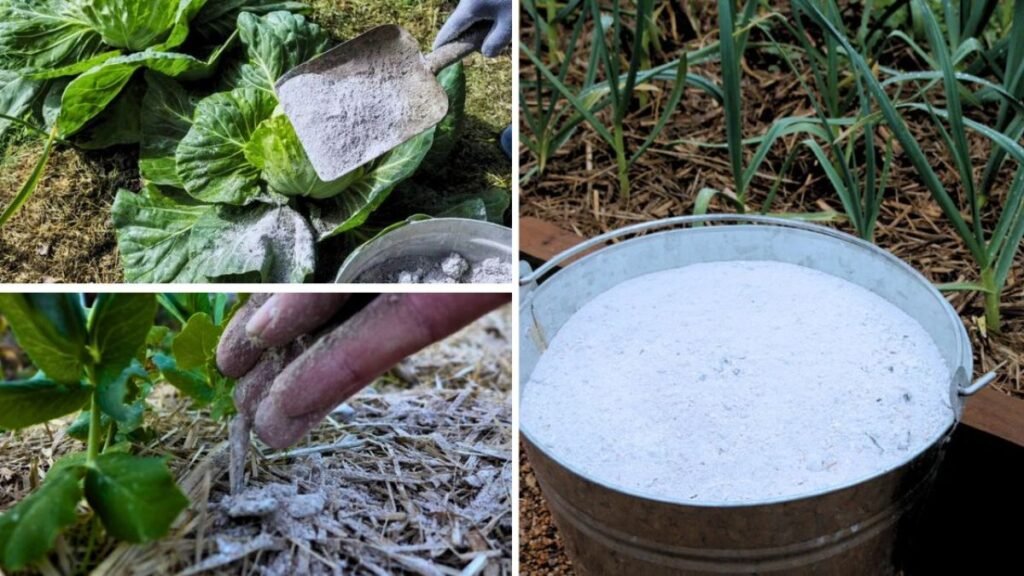
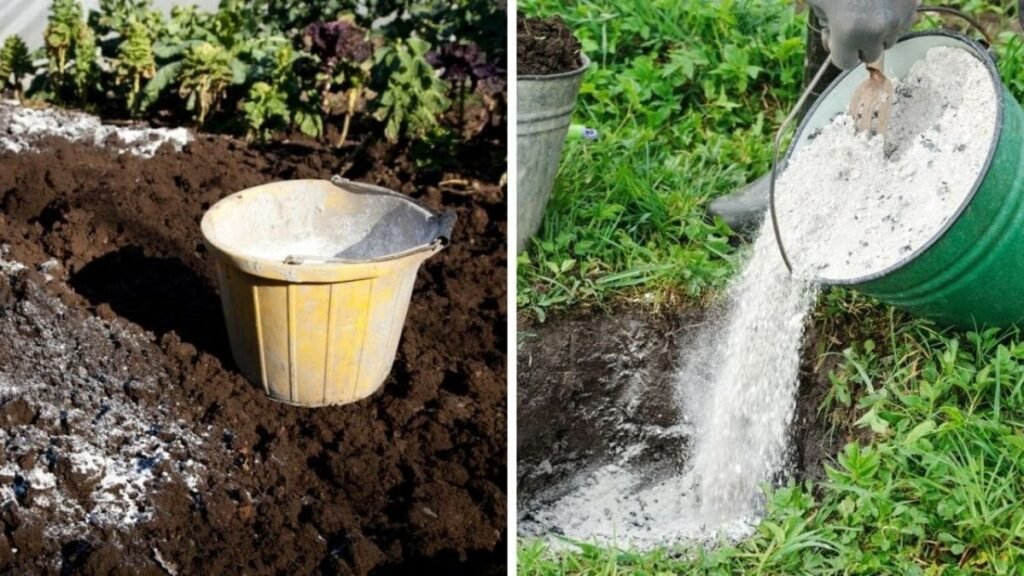
Using wood ash effectively requires understanding not just when to apply it but how to incorporate it into your gardening routine. One of the most recommended approaches is to apply a thin, even layer of ash across the soil and mix it gently into the top layer rather than leaving it on the surface. Leaving ash exposed can cause it to blow away or wash into unwanted areas. Additionally, incorporating it into the soil ensures that nutrients become available to plant roots and reduces the risk of pH spikes on the top layer.
Moderation is key when using wood ash. A small amount can go a long way, especially in gardens with healthy or already-balanced soil. Some gardeners apply ash once or twice a year, while others incorporate it only when signs of potassium deficiency appear. Observing your plants and understanding their needs will always provide better guidance than following a rigid schedule.
Another thoughtful approach is to compost wood ash before using it in the garden. Mixing ash into compost allows the nutrients to blend slowly with organic material, creating a more balanced fertilizer. This also helps reduce the ash’s alkalinity, making it safer and more versatile for a wider range of plants.
The Potential Risks and How to Avoid Them
Like many garden amendments, wood ash offers benefits but also carries risks. One of the most notable risks is salt buildup. Wood ash contains soluble salts that, when applied excessively, can accumulate in the soil and damage plant roots. This issue is more common in enclosed garden beds or containers where drainage may be limited. Ensuring proper watering and avoiding heavy applications of ash can prevent this problem.
Another hidden risk is contamination. If the ash comes from wood that has been treated or exposed to chemicals, harmful substances may transfer to your soil. This makes it even more important to know the source of your wood and use only clean ash produced from natural burning.
Timing is also important. Applying wood ash during rainy weather can cause nutrients to wash away before they have a chance to benefit your plants. Applying during dry, calm conditions and mixing it into the soil promptly ensures that it stays where it is needed.
Conclusion
Using wood ash in your garden can be an effective and environmentally friendly way to nourish your soil, especially when dealing with acidity or potassium deficiencies. Its ability to increase soil alkalinity, provide essential minerals, and act as a natural fertilizer makes it a valuable resource for many gardeners. However, the benefits come with responsibilities. Understanding your soil’s pH, recognizing plant preferences, and applying ash carefully are essential steps to ensure that you are helping rather than harming your garden. By approaching wood ash with knowledge and moderation, you can harness its potential and enjoy a healthier, more balanced garden environment for years to come.
FAQs
1. Is wood ash good for the garden?
Yes, in small amounts. It can improve soil pH and add nutrients like potassium.
2. Which plants benefit from wood ash?
Tomatoes, cabbages, garlic, onions, and lavender prefer slightly alkaline soil and benefit from wood ash.
3. Which plants should avoid wood ash?
Blueberries, potatoes, azaleas, and strawberries — they prefer acidic soil.